
The phrase “please let me know” is simple, polite, and very common in English. You hear it in emails, meetings, messages, and daily conversations.
But because it is used so often, it can sound repetitive, weak, or too casual in some situations. That is why learning other ways to say it is important.
Different words change your tone. They can make you sound more professional, more confident, softer, or more friendly.
In business and academic writing, the right phrase shows respect and clarity. In casual conversation, it helps you sound natural and fluent.
Using varied language also improves your English skills. It shows control, confidence, and awareness of context.
Quick contrast example:
Formal: “Please inform me of any updates.”
Informal: “Let me know when you’re free.”
Both mean the same thing, but the tone is very different.
What Does “Please Let Me Know” Mean?
Student-friendly meaning:
It is a polite way to ask someone to give you information later.
Grammar form:
Polite verb phrase (imperative with “please”)
Similar tone words:
- Tell me
- Inform me
- Update me
Opposite tone (not polite):
- Tell me now
- You must inform me
Sample sentences:
- Please let me know if you need help.
- Let me know when you arrive.
When to Use “Please Let Me Know”
Spoken English
Used in daily conversations when waiting for an answer.
Business English
Common in meetings and polite requests, but can feel basic.
Emails / Messages
Very safe, but overused in professional emails.
Social Media
Used in comments or DMs when asking for updates.
Academic Writing
Acceptable in emails to professors, not in essays.
Professional Meetings
Good for neutral requests, not strong instructions.
Is “Please Let Me Know” Polite or Professional?
Yes, it is polite. It sounds respectful and soft.
Tone levels explained:
- Polite: Please let me know…
- Neutral: Let me know…
- Soft: Whenever possible, please let me know…
- Strong: Inform me immediately…
- Formal: Please advise…
Etiquette tip:
Good for friendly workplaces. Avoid overusing it in corporate or legal emails where stronger clarity is needed.
Pros & Cons of Using “Please Let Me Know”
✔ Pros:
- Polite and safe
- Easy for beginners
- Sounds friendly
- Works in many situations
✘ Cons:
- Overused
- Can sound weak
- Not always professional enough
- Lacks authority in formal writing
Quick Alternatives List (For Busy Readers)
- Please inform me
- Kindly advise
- Keep me posted
- I’d appreciate an update
- Feel free to reach out
- Please advise accordingly
- Let me hear from you
- Notify me
- Update me when possible
- Do let me know
- Please confirm
- I’d be grateful if you could inform me
- Keep me in the loop
- Reach out anytime
- Drop me a message
- Please keep me informed
- Advise me at your convenience
- Get back to me
18 Strong Alternatives to “Please Let Me Know”
Please Inform Me
Meaning:
Ask someone to give you information.
Explanation:
This is more formal and direct. It sounds professional and serious.
Grammar Note:
Formal verb phrase.
Example Sentence:
Please inform me once the report is finalized.
Best Use:
Formal emails, workplace, legal or academic settings.
Worst Use:
Casual chats with friends.
Tone:
Formal, professional.
Level:
Intermediate.
Similarity Score:
9/10
Replaceability Tip:
Use this when clarity and professionalism matter.
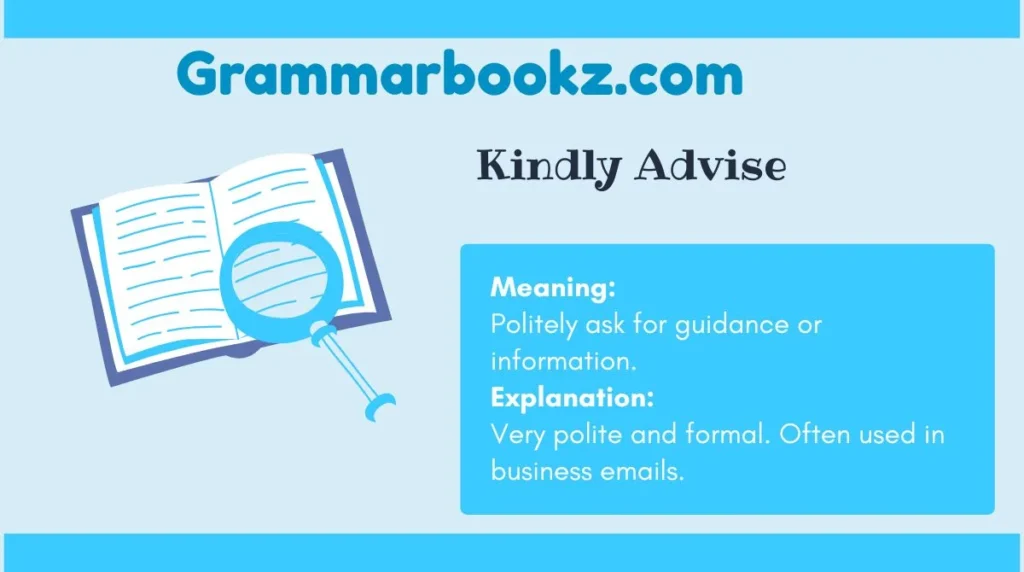
Kindly Advise
Meaning:
Politely ask for guidance or information.
Explanation:
Very polite and formal. Often used in business emails.
Grammar Note:
Formal request phrase.
Example Sentence:
Kindly advise on the next steps.
Best Use:
Corporate emails, customer service.
Worst Use:
Casual texting.
Tone:
Very formal.
Level:
Advanced.
Similarity Score:
8/10
Replaceability Tip:
Use when writing to be or clients.
Keep Me Posted
Meaning:
Tell me updates as they happen.
Explanation:
Friendly and modern. Common in spoken English.
Grammar Note:
Idiomatic phrase.
Example Sentence:
Keep me posted about the schedule.
Best Use:
Work chats, team communication.
Worst Use:
Formal reports.
Tone:
Friendly, professional-casual.
Level:
Intermediate.
Similarity Score:
7/10
Replaceability Tip:
Use for ongoing situations.
I’d Appreciate an Update
Meaning:
Politely request new information.
Explanation:
Sounds respectful and professional without being stiff.
Grammar Note:
Polite conditional structure.
Example Sentence:
I’d appreciate an update when possible.
Best Use:
Emails, workplace.
Worst Use:
Very casual contexts.
Tone:
Professional, soft.
Level:
Intermediate.
Similarity Score:
8/10
Replaceability Tip:
Great when following up.
Feel Free to Let Me Know
Meaning:
Gives freedom to respond.
Explanation:
Sounds relaxed and friendly.
Grammar Note:
Casual invitation phrase.
Example Sentence:
Feel free to let me know if you have questions.
Best Use:
Friendly emails, conversations.
Worst Use:
Strict instructions.
Tone:
Friendly, soft.
Level:
Beginner.
Similarity Score:
9/10
Replaceability Tip:
Use to reduce pressure.
Please Keep Me Informed
Meaning:
Ask for regular updates.
Explanation:
Professional and clear.
Grammar Note:
Formal verb phrase.
Example Sentence:
Please keep me informed of any changes.
Best Use:
Projects, management.
Worst Use:
Casual talk.
Tone:
Professional.
Level:
Intermediate.
Similarity Score:
8/10
Replaceability Tip:
Use for long-term matters.
Let Me Hear From You
Meaning:
Ask someone to reply or respond.
Explanation:
Slightly informal but polite.
Grammar Note:
Spoken-style phrase.
Example Sentence:
Let me hear from you soon.
Best Use:
Emails, follow-ups.
Worst Use:
Legal writing.
Tone:
Neutral, friendly.
Level:
Beginner.
Similarity Score:
7/10
Replaceability Tip:
Good for closing emails.
Please Advise Accordingly
Meaning:
Ask for direction or confirmation.
Explanation:
Formal and authoritative.
Grammar Note:
Business English phrase.
Example Sentence:
Please advise accordingly at your earliest convenience.
Best Use:
Corporate communication.
Worst Use:
Casual settings.
Tone:
Formal, strong.
Level:
Advanced.
Similarity Score:
6/10
Replaceability Tip:
Use when decisions are needed.
Notify Me
Meaning:
Tell me when something happens.
Explanation:
Direct and concise.
Grammar Note:
Single verb command.
Example Sentence:
Notify me once the task is complete.
Best Use:
Instructions, systems.
Worst Use:
Friendly conversation.
Tone:
Strong, professional.
Level:
Intermediate.
Similarity Score:
6/10
Replaceability Tip:
Use for clear action.
I’d Be Grateful If You Could Inform Me
Meaning:
Very polite request for information.
Explanation:
Soft and respectful.
Grammar Note:
Formal conditional sentence.
Example Sentence:
I’d be grateful if you could inform me of any updates.
Best Use:
Formal emails.
Worst Use:
Fast chat.
Tone:
Very polite.
Level:
Advanced.
Similarity Score:
9/10
Replaceability Tip:
Use with specific.
Please Confirm
Meaning:
Ask someone to verify information.
Explanation:
Clear and professional.
Grammar Note:
Formal command.
Example Sentence:
Please confirm the meeting time.
Best Use:
Workplace, scheduling.
Worst Use:
Casual talk.
Tone:
Professional.
Level:
Beginner.
Similarity Score:
5/10
Replaceability Tip:
Use for yes/no clarity.
Get Back to Me
Meaning:
Reply later.
Explanation:
Casual and common.
Grammar Note:
Phrasal verb.
Example Sentence:
Get back to me when you can.
Best Use:
Informal emails, friends.
Worst Use:
Formal writing.
Tone:
Casual.
Level:
Beginner.
Similarity Score:
7/10
Replaceability Tip:
Use with equals.
Reach Out to Me
Meaning:
Contact me.
Explanation:
Modern and friendly.
Grammar Note:
Phrasal verb.
Example Sentence:
Reach out to me if you need support.
Best Use:
Work, networking.
Worst Use:
Academic writing.
Tone:
Friendly-professional.
Level:
Intermediate.
Similarity Score:
6/10
Replaceability Tip:
Use when offering help.
Keep Me in the Loop
Meaning:
Include me in updates.
Explanation:
Informal and idiomatic.
Grammar Note:
Idiom.
Example Sentence:
Keep me in the loop on this project.
Best Use:
Team communication.
Worst Use:
Formal documents.
Tone:
Friendly.
Level:
Intermediate.
Similarity Score:
7/10
Replaceability Tip:
Use in teamwork.
Drop Me a Message
Meaning:
Send me a message.
Explanation:
Very casual.
Grammar Note:
Informal phrase.
Example Sentence:
Drop me a message later.
Best Use:
Texts, social media.
Worst Use:
Work emails.
Tone:
Casual.
Level:
Beginner.
Similarity Score:
6/10
Replaceability Tip:
Use with friends.
Advise Me at Your Convenience
Meaning:
Respond when free.
Explanation:
Polite and respectful of time.
Grammar Note:
Formal request.
Example Sentence:
Please advise me at your convenience.
Best Use:
Formal emails.
Worst Use:
Urgent situations.
Tone:
Formal, soft.
Level:
Advanced.
Similarity Score:
8/10
Replaceability Tip:
Use when timing is flexible.
Please Update Me
Meaning:
Give new information.
Explanation:
Clear and professional.
Grammar Note:
Direct verb phrase.
Example Sentence:
Please update me on the progress.
Best Use:
Workplace.
Worst Use:
Casual talk.
Tone:
Professional.
Level:
Beginner.
Similarity Score:
8/10
Replaceability Tip:
Use for progress tracking.
Do Let Me Know
Meaning:
Gentle emphasis on response.
Explanation:
British-style politeness.
Grammar Note:
Emphatic polite structure.
Example Sentence:
Do let me know if anything changes.
Best Use:
UK English, polite emails.
Worst Use:
Very casual US texting.
Tone:
Polite, soft.
Level:
Intermediate.
Similarity Score:
9/10
Replaceability Tip:
Use to sound warm and polite.
Mini Dialogue Examples
Formal conversation
A: Please inform me once the documents are ready.
B: Certainly. I will update you.
Informal conversation
A: I’m not sure yet.
B: No worries. Let me know later.
Business email style
Dear Sarah,
I’d appreciate an update on the proposal. Please keep me informed of any developments.
Best regards.
Mistakes to Avoid
- Using casual phrases in formal emails
- Overusing “please let me know” in every message
- Sounding too demanding without “please”
- Mixing slang with formal tone
- Using strong phrases with possible incorrectly
- Forgetting context and relationship
- Repeating the same phrase in one email
Cultural & Tone Tips
In US English, “let me know” is very common and friendly.
In UK English, softer forms like “do let me know” sound polite.
In casual social English, short forms like “let me know” or “text me” feel natural.
Tone matters more than grammar. Native speakers judge politeness by word choice, not length.
Comparison Table
| Phrase | Tone | Best Context | Professional Level | Example |
|---|---|---|---|---|
| Please inform me | Formal | Corporate emails | High | Please inform me of changes |
| Kindly advise | Very formal | Business | High | Kindly advise |
| Keep me posted | Friendly | Team updates | Medium | Keep me posted |
| Get back to me | Casual | Friends | Low | Get back to me |
| I’d appreciate an update | Polite | Work emails | Medium | I’d appreciate an update |
FAQs
Is “please let me know” rude?
No. It is polite, but basic.
Is it okay in emails?
Yes, especially informal or friendly emails.
What is the most formal alternative?
“Kindly advise” or “Please inform me.”
What is the most polite alternative?
“I’d be grateful if you could inform me.”
What should beginners use?
“Let me know” or “Please update me.”
Is it okay to repeat it?
Avoid repeating it in the same message.
Conclusion
Learning other ways to say “please let me know” helps you sound more confident, natural, and professional. Different situations need different tones.
A casual chat, a business email, and an academic message should not sound the same.
Using the right alternative improves clarity and respect. It also shows strong language control. Practice these phrases in real conversations and emails.
Over time, your English will sound smoother and more fluent.

John Lee is an education-focused writer with a strong interest in English grammar and language learning.
He creates clear, student-friendly content to help learners improve their grammar skills with confidence.