The phrase “trick or treat” is fun, playful, and deeply tied to Halloween culture. Most people know it as the line children say when they knock on doors asking for candy.
But in English, the idea behind trick or treat goes beyond Halloween. It often means asking for a reward, offering a choice, or playfully requesting something with an implied consequence.
Learning alternative ways to express this idea matters. Why? Because not every situation is playful. Sometimes you need polite language.
Sometimes professional. Sometimes casual or creative. Word choice changes tone, meaning, and how people feel about you.
Using varied expressions helps in emails, presentations, essays, workplace conversations, and daily English. It also makes your language sound fluent and natural.
Informal: “Trick or treat!”
Formal: “May I request a small token or gesture?”
Same idea. Very different tone.
What Does “Trick or Treat” Mean?
Simple definition:
“Trick or treat” means asking for something (usually playfully) while implying a choice between giving a reward or facing a harmless consequence.
Grammar form:
- Fixed phrase
- Interjection
- Cultural idiom
Similar tones: playful request, light demand, humorous warning
Opposite tones: polite request, formal inquiry, direct demand
Example sentences:
- The kids shouted, “Trick or treat!” and held out their bags.
- He joked, “Coffee now or trick or treat later,” meaning there would be consequences.
When to Use “Trick or Treat”
Spoken English
Used casually, mostly with children or in jokes.
Business English
Rarely used. Sounds unprofessional unless used humorously in informal teams.
Emails / Messages
Not suitable for formal emails. Acceptable in friendly messages.
Social Media
Very common. Used creatively in captions, memes, and jokes.
Academic Writing
Not appropriate.
Professional Meetings
Avoid unless clearly joking and culturally safe.
Is “Trick or Treat” Polite or Professional?
Polite: No
Neutral: Sometimes (with children)
Strong: No
Soft: Yes (playful tone)
Formal: No
Informal: Yes
Etiquette tip:
This phrase is better for casual settings. Avoid it in corporate emails, client meetings, or academic work.
Pros & Cons of Using “Trick or Treat”
✔ Pros:
- Fun and memorable
- Culturally rich
- Easy for beginners
- Expresses playful intent
✘ Cons:
- Not professional
- Limited to cultural context
- Can confuse non-native speakers
- Sounds childish in serious situations
Quick Alternatives List (One-Line Phrases)
- Candy, please!
- A little treat, please
- Care to share a treat?
- Surprise me!
- Got something sweet?
- A small reward, maybe?
- Kindly offer a treat
- May I have a treat?
- Time for a little surprise
- Treat time!
- A token of kindness
- A small favor, please
- Something nice, perhaps?
- Please indulge us
- A friendly treat request
- A sweet gesture, please
- Let’s make it fun
- Don’t forget the treats
- Share the goodies
- A playful request
- Care for a treat?
- Kindly participate
- A light-hearted demand
- A festive request
Main Alternatives Explained
Candy, please
Meaning: Asking politely for candy.
Explanation: Simple and child-friendly. Removes the “threat” part.
Grammar Note: Noun phrase.
Example: “Candy, please!”
Best Use: Informal, spoken.
Worst Use: Business, emails.
Tone: Friendly
Level: Beginner
Similarity Score: 8/10
Replaceability Tip: Use when you want sweetness without humor.
May I have a treat?
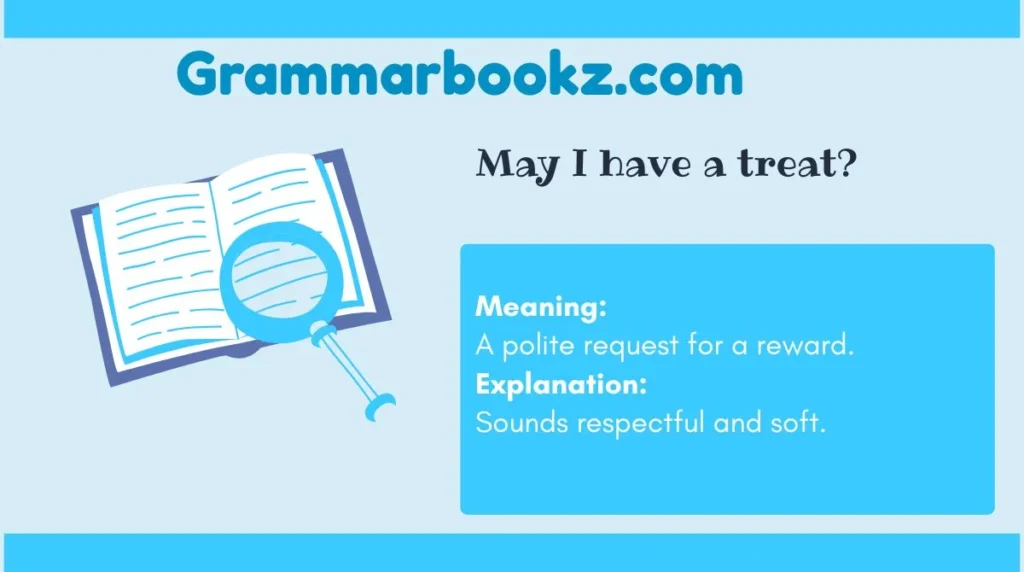
Meaning: A polite request for a reward.
Explanation: Sounds respectful and soft.
Grammar Note: Modal verb phrase.
Example: “May I have a treat for participating?”
Best Use: Polite conversation, classrooms.
Worst Use: Playful jokes.
Tone: Polite
Level: Beginner
Similarity Score: 7/10
Replaceability Tip: Choose this for polite settings.
Care to share a treat?
Meaning: Inviting someone to give something.
Explanation: Light, friendly, and indirect.
Grammar Note: Question form.
Example: “Care to share a treat with us?”
Best Use: Social, friendly talk.
Worst Use: Formal writing.
Tone: Friendly
Level: Intermediate
Similarity Score: 7/10
Replaceability Tip: Good when you want warmth.
A small token, please
Meaning: Asking for a small gift.
Explanation: Sounds formal and respectful.
Grammar Note: Noun phrase.
Example: “A small token would be appreciated.”
Best Use: Professional, events.
Worst Use: Kids, casual jokes.
Tone: Formal
Level: Advanced
Similarity Score: 5/10
Replaceability Tip: Use in professional settings.
A little surprise, perhaps
Meaning: Asking playfully for something unexpected.
Explanation: Soft and charming.
Grammar Note: Adverbial phrase.
Example: “A little surprise, perhaps?”
Best Use: Social, messages.
Worst Use: Corporate emails.
Tone: Soft
Level: Intermediate
Similarity Score: 6/10
Replaceability Tip: Good for gentle humor.
Please indulge us
Meaning: Asking someone to give generously.
Explanation: Polite and slightly formal.
Grammar Note: Verb phrase.
Example: “Please indulge us with a small treat.”
Best Use: Events, formal requests.
Worst Use: Casual slang.
Tone: Professional
Level: Advanced
Similarity Score: 4/10
Replaceability Tip: Choose for respectful tone.
A friendly request
Meaning: Asking without pressure.
Explanation: Neutral and safe.
Grammar Note: Noun phrase.
Example: “This is just a friendly request.”
Best Use: Emails, work.
Worst Use: Humor-based contexts.
Tone: Neutral
Level: Beginner
Similarity Score: 3/10
Replaceability Tip: Use when clarity matters.
Time for a treat
Meaning: Suggesting reward time.
Explanation: Positive and cheerful.
Grammar Note: Sentence fragment.
Example: “Great job! Time for a treat.”
Best Use: Casual, spoken.
Worst Use: Formal writing.
Tone: Friendly
Level: Beginner
Similarity Score: 6/10
Replaceability Tip: Good for encouragement.
Care for a little treat?
Meaning: Offering or requesting a reward.
Explanation: Polite and inviting.
Grammar Note: Question form.
Example: “Care for a little treat after work?”
Best Use: Social talk.
Worst Use: Academic writing.
Tone: Soft
Level: Intermediate
Similarity Score: 6/10
Replaceability Tip: Use for offers.
A festive request
Meaning: Asking within a celebration.
Explanation: Neutral and seasonal.
Grammar Note: Noun phrase.
Example: “This is just a festive request.”
Best Use: Events, holidays.
Worst Use: Serious business.
Tone: Neutral
Level: Intermediate
Similarity Score: 4/10
Replaceability Tip: Good for holiday language.
Mini Dialogue Examples
Formal:
“May I request a small token for attending today’s event?”
Informal:
“Hey! Care to share a treat?”
Business Email:
“We kindly request a small gesture of appreciation for our volunteers.”
Mistakes to Avoid
- Using “trick or treat” in professional emails
- Forgetting cultural context
- Sounding demanding instead of playful
- Mixing slang with formal tone
- Overusing childish phrases
- Translating directly without nuance
Cultural & Tone Tips
In US English, the phrase is playful and nostalgic.
In UK English, it’s understood but less commonly used metaphorically.
In casual social English, tone matters more than words.
Comparison Table
| Phrase | Tone | Best Context | Professional Level | Example |
|---|---|---|---|---|
| May I have a treat? | Polite | Spoken | Medium | “May I have a treat?” |
| A small token | Formal | Workplace | High | “A small token is appreciated.” |
| Care to share a treat? | Friendly | Social | Low | “Care to share?” |
| Please indulge us | Professional | Events | High | “Please indulge us.” |
| Time for a treat | Casual | Daily talk | Low | “Time for a treat!” |
FAQs
Is “trick or treat” rude?
No, but it’s informal and playful.
Is it okay in emails?
Only in friendly, casual emails.
What is the most formal alternative?
“A small token would be appreciated.”
What is the most polite option?
“May I have a treat?”
What should beginners use?
“Candy, please” or “May I have a treat?”
Can adults use it?
Yes, jokingly or socially.
Conclusion
Words shape how people see you. While “trick or treat” is fun and cultural, it doesn’t fit every situation.
Learning alternatives helps you sound clearer, more polite, more professional, and more fluent. Whether you are writing emails, speaking at work, chatting with friends, or learning English, having the right phrase matters.
Practice using these expressions in real life. Over time, your English will feel natural, confident, and flexible.

John Lee is an education-focused writer with a strong interest in English grammar and language learning.
He creates clear, student-friendly content to help learners improve their grammar skills with confidence.